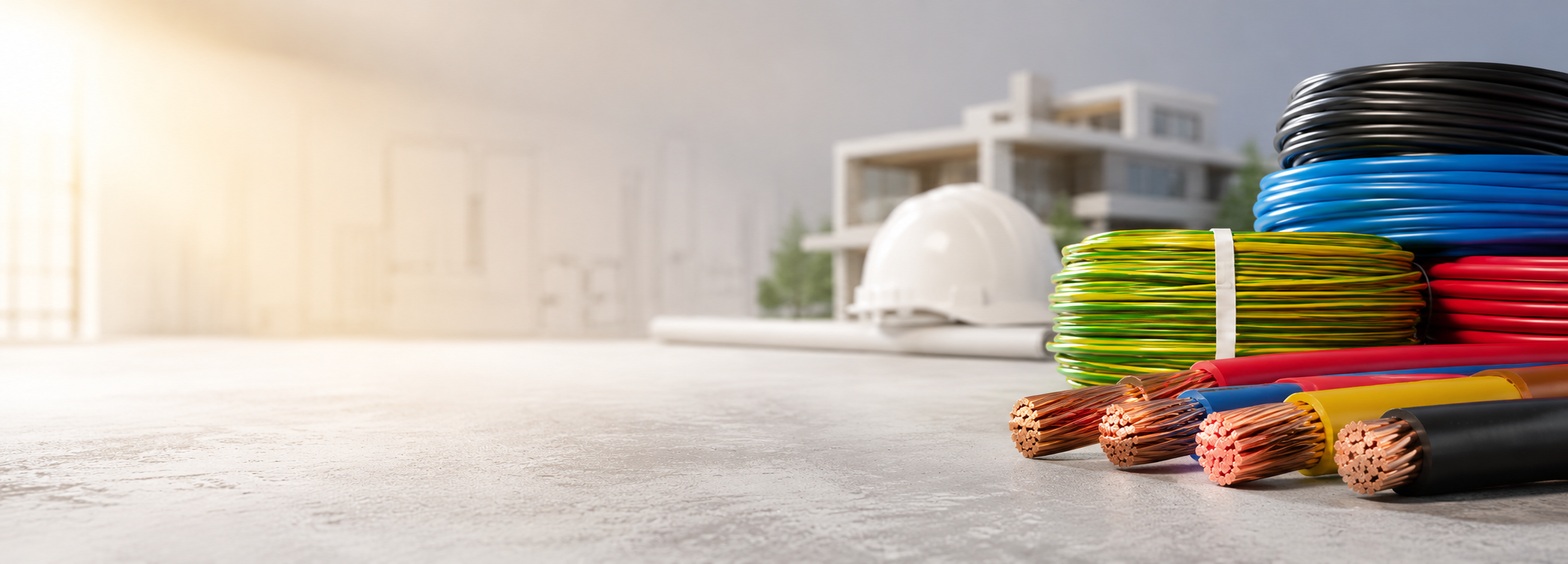
When inflation hits, the temptation to cut costs on “hidden” materials like electrical wiring is high. However, your electrical infrastructure is the one area where compromise is a direct safety hazard. In Pakistan, short circuits remain a leading cause of residential fires. In 2026, the trend has shifted toward high-performance, fire-retardant materials that protect both your family and your expensive electronics.
1. Pure Copper
While “mixed” copper wires are cheaper, they have higher resistance, which can lead to overheating and higher electricity bills.
- The Choice: Stick to Pure Copper. It ensures maximum conductivity and prevents the wire from becoming brittle over time. Pakistan Cables uses only LME grade ‘A’ copper cathodes, ensuring 101% conductivity and safeguarding consumers’ interest.
2. LSZH (Low Smoke Zero Halogen) Insulation
A major trend in 2026 for premium and safety-conscious builds is LSZH cables. Traditional PVC-coated wires release toxic, thick black smoke when burned, which is often more dangerous than the fire itself.
- The Benefit: LSZH cables emit very limited smoke and no halogen toxins, providing a critical window for evacuation during an emergency.
3. Voltage Stability and Thickness
With the increasing load of inverter air conditioners and solar power systems in Pakistani households, using the correct gauge (mm²) is vital.
- Recommendation: Use 7/0.29 or 7/0.36 (often referred to by their metric equivalents like 2.5 mm or 4 mm) from reputable, certified brands. Avoid “under-gauge” wires sold at local hardware stores that don’t meet international ASTM or British Standards.
High-quality wiring actually reduces your monthly utility costs. Low-quality wires have higher electrical resistance, meaning they waste energy as heat. By spending 20% more on premium cables now, you save significantly on your K-Electric or WAPDA bills over the next decade.
Disclaimer: This information is provided in good faith for general guidance. Construction needs vary by site; always consult a certified structural engineer and a licensed electrician to confirm specific material sizes, load requirements, and safety compliance before proceeding.